

Are Insects Part Of The Animal Kingdom
Are Insects Animals?
Insects are animals. Like all animals, insects are multicellular organisms that respire using oxygen, reproduce sexually, eat and move. Insects vest to the brute class Insecta, which, with around one million living species, is by far the biggest class inside the brute kingdom. Insects make up at least 2-thirds–and likely a much larger proportion–of all known living animal species.
On this page y'all'll find a simple, fact-filled guide to insects and why they are considered to be animals…
Page Index
What Is An Animal?
Kingdoms Of Living Things
The Animate being Kingdom
Classifying Different Organisms
Why Is An Insect An Animal?
List Of Animal Characteristics
A Brief Guide To Insects
Conclusion
Further Reading
What Is An Animal?
An creature is any organism in the brute kingdom, Animalia. The animal kingdom contains around 1.v 1000000 different living species, ranging from simple organisms such every bit sponges, to complex, intelligent organisms such as humans.
All animals share a certain set of characteristics. If an organism has these characteristics, it's an animate being; if not, it belongs in another kingdom, such equally the establish kingdom, fungi kingdom or bacteria kingdom.
Insects take all the characteristics of animals, and therefore are animals!
Further down the folio you'll find exactly why an insect is an animal, plus a listing of all the other kingdoms of living things into which an organism can be placed.
Is An Insect An Creature? Why The Confusion?
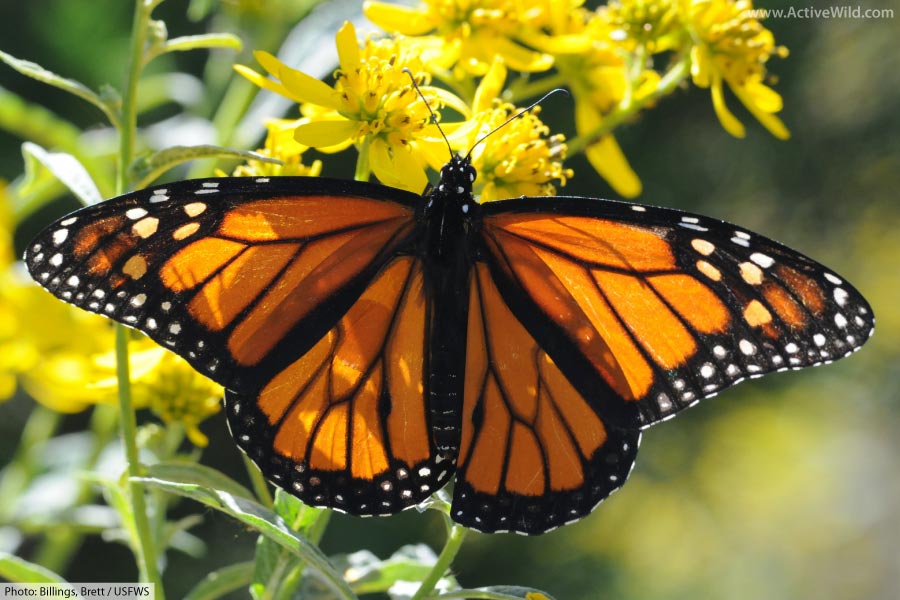
Most people, when asked to retrieve of an animal, will come up with either a mammal, reptile, bird, amphibian or fish.
All of those animals, like united states of america, are vertebrates.
A vertebrate is any animal with a backbone, and (unsurprisingly) an invertebrate is whatsoever animal without a courage.
Insects are invertebrates – they don't have a backbone, and, rather than being held together past an internal skeleton, their bodies are surrounded by hard, external skeletons, known as exoskeletons.
Simply an insect is nevertheless an animal! (You'll find out why below.)
Because nosotros're vertebrates, we tend to view other vertebrates as "typical" animals.
But here's a surprising fact…
There are well over 10 times as many insect species equally at that place are all vertebrate species combined!
Currently, the Catalogue of Life – an online database of species – contains 950,680 insect species and 73,340 chordate species – that's a ratio of almost thirteen:1 insects to chordates! (Source)
Chordates are animals in the phylum Chordata.
A phylum is a large grouping of related animals.
Chordata contains all vertebrate animals, including mammals, reptiles, birds, amphibians and fish, every bit well as other animals with bones spinal cord-like structures.
Seeing as insects make up such a large proportion of the beast kingdom, maybe they should exist considered to be "typical" animals, rather than vertebrates such as mammals and reptiles!
Kingdoms Of Living Things
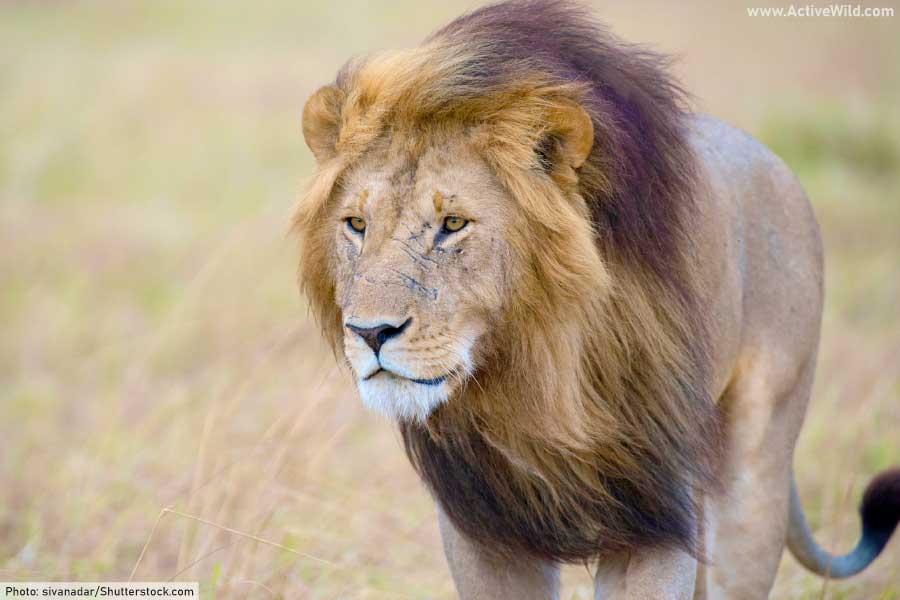
An animal (such every bit an insect) is an organism (a living matter) that belongs to the animal kingdom, Animalia.
Animalia isn't the only kingdom. Depending on which system is being used, at that place are either 5 or half dozen kingdoms of living things (including Animalia) into which an organism can be placed.
These kingdoms are listed below:
Kingdoms Of Living Things
- Bacteria
- Archaea
- Protista
- Plantae (the plant kingdom)
- Fungi (the fungi kingdom)
- Animalia (the fauna kingdom)
(In some classification systems, bacteria and archaea are replaced by a single kingdom, Monera.)
The Animal Kingdom
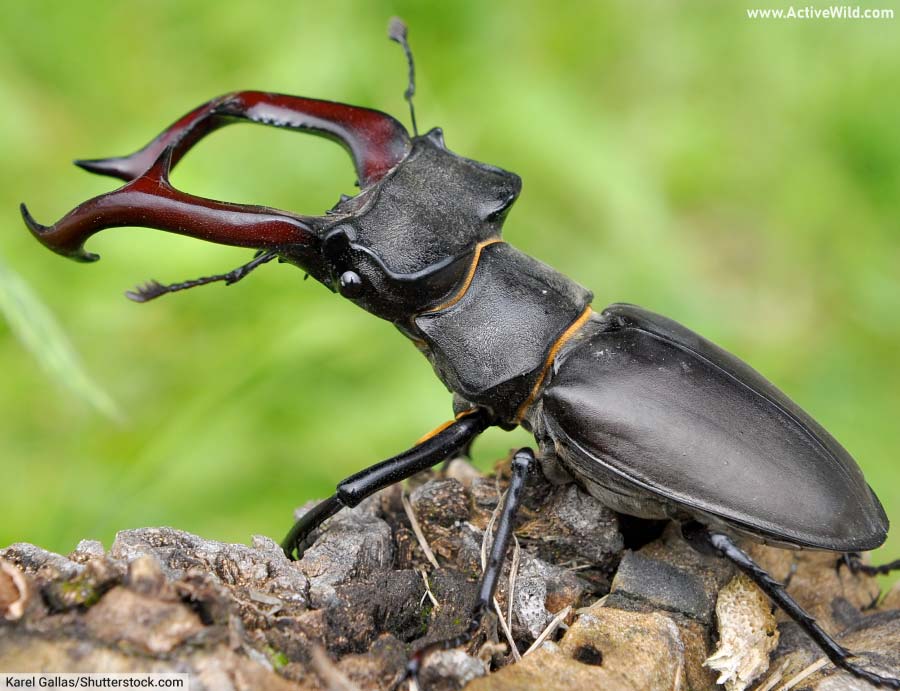
The animal kingdom contains around 1.five meg living species, of which an amazing 1 million are insects.
However, these figures contain simply the number of "described" species.
A species is said to exist described when it is named and accustomed as being a new, unique, species.
A big number of animals, many of which are insects, are currently undescribed.
Scientists estimate that at least 4 one thousand thousand, and probably many more than living insect species are undescribed, and that insects make upwards at least xc% of all living brute species.
Classifying Different Organisms
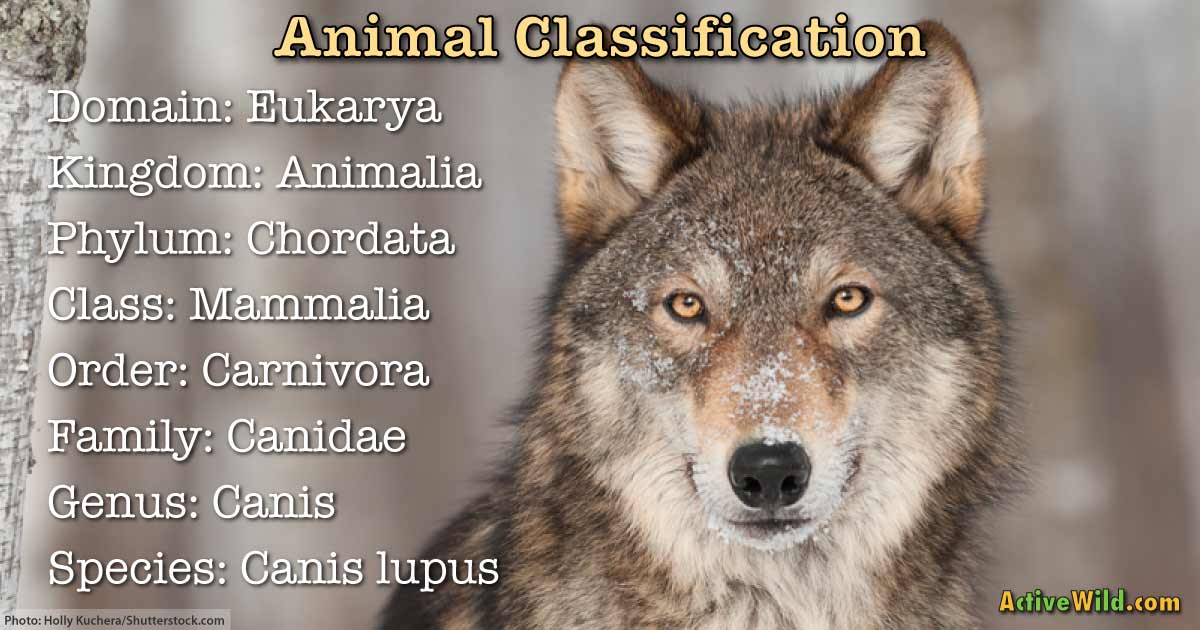
The act of grouping organisms with similar characteristics – and naming those groups – is known as classification. The branch of science involved with classification is known equally taxonomy.
You can find out more about classification on this page: Animal Classification Facts
Although we instinctively know that an organism such as tiger belongs to the animal kingdom, and that an organism such as an oak tree belongs to the constitute kingdom, for other organisms the case isn't as clear-cut.
What about sponges? Corals? Oysters? Venus fly traps? (The first three are animals, the Venus fly trap is an insect-eating plant).
As we've found, non all animals are "typical" animals, such as mammals and reptiles. In fact, as many as 97% of all animals are invertebrates, such as insects, arachnids, crustaceans, mites, centipedes and millipedes, etc.
You tin can find out more about the animal kingdom on this page: Animals: The Ultimate Guide To The Beast Kingdom
Why Is An Insect An Animal?
An insect is considered to be an animate being because it has all the characteristics of an beast. Characteristics of animals include being multicellular, existence able to move, respiring using oxygen, and (usually) reproducing sexually. If an organism doesn't accept all of these characteristics, it belongs to another kingdom, such as the plant kingdom or fungi kingdom.
Basic List Of Animal Characteristics
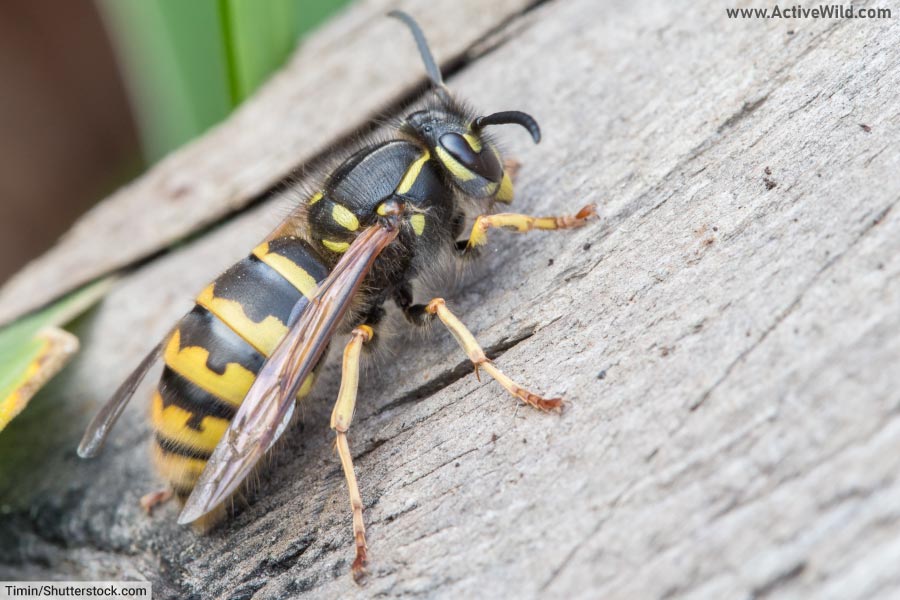
Not all of the individual characteristics listed below are unique to animals, simply only an animal has all of the characteristics listed.
-
Animals are multicellular
The bodies of all animals, including insects, are comprised of many different cells. This distinguishes animals from unicellular (unmarried-celled) organisms such as bacteria, some plants, and some fungi.
-
Animals Have Eukaryotic Cells
All animals, plants and fungi have eukaryotic cells. Eukaryotic cells are complex cells that contain a nucleus.
-
Brute Cells Lack A Cell Wall
The cells of all animals – including insects – are different to those of plants and Fungi in that they lack a prison cell wall.
You tin can find out more about animal cells (and the differences between animal and plant cells) on this folio: Animal Cells
-
Animals Are Heterotrophs
A heterotroph is an organism that cannot produce its own food. Animals are heterotrophs; dissimilar plants, which produce their ain food via photosynthesis, animals (including insects) have to eat organic material to stay live.
Photosynthesis is the process by which plants convert free energy from the sun into chemical free energy (food). You can find out more about photosynthesis on this page: Photosynthesis Facts
-
Aerobic Respiration
Virtually all animals respire aerobically. Aerobic respiration is the procedure by which animal cells release energy from glucose using oxygen.
Simply put, aerobic respiration allows an animal's body to obtain the energy information technology needs to keep itself alive from its nutrient, and this process requires oxygen.
A by-production of aerobic respiration is carbon dioxide. The intake of oxygen, and the expulsion of carbon dioxide, is known as gas exchange. This takes place when an animal breathes.
Although insects don't accept lungs, they perform gas commutation by taking air in via openings called spiracles and transporting it around the body via a system of tubes called "tracheal tubes".
-
Animals Can Move
All animals are able to move for at least part of their lives. Even animals such as sponges and corals, which as adults are sessile (unable to movement themselves), are motile (able to movement) during role of their life cycle.
-
Animals Reproduce Sexually
Most (but not all) animals reproduce sexually, with two individuals each contributing half of their genes to their offspring.
Some animals are able to reproduce asexually. Asexual reproduction does not crave a partner, and involves the parent passing all of their genes to their offspring.
Insects reproduce in many different ways. Most reproduce sexually, but some (including some stick insects, some bees and some wasps) reproduce asexually.
A Cursory Guide To Insects
Beneath is a brief guide to insects. You lot'll find a more thorough guide on this page: Insects: The Ultimate Guide
The scientific written report of insects in known as "entomology", and scientists who written report insects are known as "entomologists".
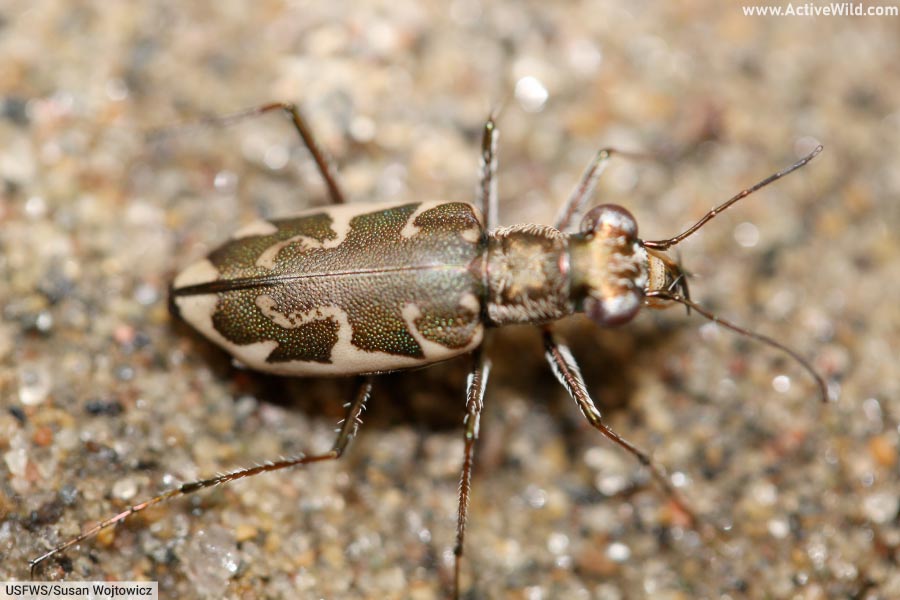
As nosotros've establish, insects are members of the class Insecta, a highly diverse group of animals that contains around 1,000,000 species.
As with all other beast groups, the form Insecta can be divided into smaller groups, which in plow tin can be divided into increasingly smaller groups all the way down to individual species.
Some of the largest insect orders (in terms of numbers of species) are listed below:
The Largest Insect Orders
- Coleoptera (beetles) 277,457
- Diptera (flies) 165,144
- Lepidoptera (collywobbles and moths) 149,986
- Hymenoptera (wasps, bees, ants and related species) 118,308
- Hemiptera ("truthful" bugs, such as aphids and shield bugs) 99,144
- Orthoptera (grasshoppers, locusts and crickets) 29,130
- Trichoptera (caddisflies) xi,513
- Psocodea (lice and related insects) 11,168
- Blattodea (cockroaches and termites) vii,760
- Neuroptera (internet-winged insects) 6,697
- Odonata (dragonflies and damselflies) 5,912
(Figures show the number of species in each society equally listed in the Catalogue of life, January 2022 – Source)
Insect Characteristics
Although private insects tin look very dissimilar to one another, all one one thousand thousand insect species share certain characteristics that identify them as beingness insects, rather than other animals.
Insects are invertebrates (i.due east., they lack a backbone), and have a hardened exoskeleton that supports and protects the diverse torso parts.
The bodies of all insects are segmented, and the various segments are divided into three main body parts: the head, thorax and abdomen.
Insects have six legs. These three pairs of legs are all fastened to the thorax (the heart section of an insect's body).
Also attached to an insect'due south thorax are its wings. Not all insects take wings; those that do have either ii pairs or a single pair of wings (beetles, for example accept simply a single pair of wings, their forewings having evolved into wing cases.)
On an insect'southward head are establish two large compound eyes, each of which may contain several thousand private lenses; up to 3 simple eyes; and a single pair of antennae.
The class Insecta is itself part of a larger group of invertebrate animals, the phylum Arthropoda.
Conclusion: Insects ARE Animals
Using the data on this page, we can safely say that insects virtually definitely are animals! Insects are multicellular, they move, they swallow and they exhale, making them fully-fledged members of the beast kingdom!
In addition, insects outnumber vertebrates by over 10 to i! Maybe, therefore, insects should be considered to be the "typical" animals, rather than mammals, reptiles, birds, etc.!
Are Insects Animals: Further Reading
You tin can find out more about insects and other animals on the post-obit pages:
Insects: The Ultimate Guide. Pictures, Facts, In-Depth Information – Notice The Amazing World Of Insects!
Is A Spider An Insect? What Are The Similarities & Differences Between Spiders & Insects?
Is A Beetle An Insect – And Why? Beetle Characteristics
Rainforest Insects: A List Of Insects That Alive In Rainforests, With Pictures & Facts
Animal Classification: How Scientists Brand Sense Of The Animal Kingdom By Naming And Grouping Species.
Animals: The Ultimate Guide To The Fauna Kingdom – Information, Fun Facts & Crawly Pictures
Source: https://www.activewild.com/are-insects-animals/
Posted by: horneables1985.blogspot.com
0 Response to "Are Insects Part Of The Animal Kingdom"
Post a Comment